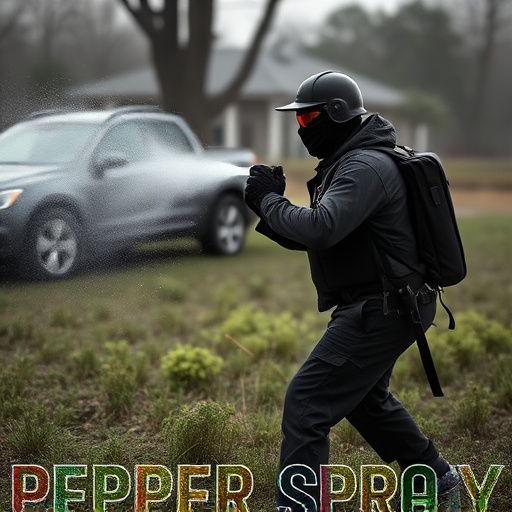
Crowd Control Pepper Spray Techniques are valuable tools for personal and public security, temporarily incapacitating individuals without causing harm. Effective use requires training in application methods, de-escalation strategies, and practicing realistic scenarios. Legal and ethical considerations, including jurisdiction laws and proportionality to threats, are crucial for responsible usage.
Personal security is a growing concern, prompting the exploration of effective non-lethal deterrent devices. This article delves into innovative crowd control strategies, focusing on pepper spray techniques as a powerful yet safe personal defense mechanism. We explore safety measures, legal implications, and ethical considerations surrounding these devices, providing insights for individuals seeking to protect themselves in various situations. Understanding the unique capabilities of crowd control pepper spray can empower users with vital self-defense tools while navigating legal boundaries.
- Understanding Non-Lethal Deterrents for Personal Security
- Crowd Control Strategies: Pepper Spray Techniques Explored
- Safety Measures and Effective Use of Pepper Spray Devices
- Legal Implications and Ethical Considerations in Personal Defense
Understanding Non-Lethal Deterrents for Personal Security
Non-lethal deterrents, including crowd control pepper spray techniques, have become essential tools for personal security in various situations. These devices are designed to incapacitate or deter individuals without causing permanent harm or death, making them a preferred option in scenarios where lethal force might be inappropriate or excessive. Unlike traditional firearms or other deadly weapons, non-lethal options allow law enforcement and private citizens alike to maintain control while minimizing the risk of injury or loss of life.
Crowd control pepper spray, for instance, is a common non-lethal deterrent that uses capsaicin, the active ingredient in chili peppers, to cause temporary blindness, coughing, and difficulty breathing. When deployed strategically, it can effectively disperse unruly crowds while allowing for a relatively quick recovery. Understanding how these deterrents work and when to use them appropriately is crucial for ensuring public safety without resorting to lethal force.
Crowd Control Strategies: Pepper Spray Techniques Explored
Crowd control is a critical aspect of personal security, and pepper spray has long been a go-to tool for law enforcement and private security personnel alike. When it comes to crowd control pepper spray techniques, understanding how to deploy this non-lethal deterrent effectively is key. The first step involves assessing the situation: identifying the size and behavior of the crowd, as well as potential triggers that might escalate tensions.
Training in crowd control pepper spray techniques includes learning proper application methods—like aiming for eye and respiratory targets—and understanding de-escalation strategies to minimize harm while effectively managing a situation. Additionally, regular drills help professionals stay prepared for real-world scenarios where quick thinking and precise action can make all the difference in maintaining order and ensuring public safety.
Safety Measures and Effective Use of Pepper Spray Devices
Pepper spray devices, a popular non-lethal deterrent, offer an effective means of crowd control and personal security. When used appropriately, they can neutralize attackers, providing individuals with valuable time to escape dangerous situations. The key to their success lies in proper training and understanding crowd control techniques.
For optimal effectiveness, users must learn the correct application methods, including aiming for the eyes and face, where pepper spray has its most profound impact. Practicing realistic scenarios and familiarizing oneself with different types of pepper spray can ensure better outcomes during high-stress incidents. Remember, responsible use is crucial; misapplication may result in collateral damage or even harm to bystanders, defeating the purpose of crowd control measures.
Legal Implications and Ethical Considerations in Personal Defense
When considering non-lethal deterrent personal security devices, it's crucial to explore the legal implications and ethical considerations that come into play, especially when discussing crowd control pepper spray techniques. The use of such devices is governed by specific laws and regulations designed to balance an individual's right to self-defense with public safety and order. Each jurisdiction has its own set of rules regarding what constitutes reasonable force in personal protection, with many countries strictly regulating the sale, possession, and application of crowd control pepper spray.
Ethical debates often revolve around the potential for abuse, misusage, or unintended harm from these devices. Pepper spray, for instance, can cause significant discomfort, breathing difficulties, and even permanent eye damage if not handled correctly. This raises questions about responsible usage, consent, and accountability. Additionally, crowd control techniques must be employed proportionately to the perceived threat, ensuring that the rights of individuals or groups are not violated in the name of personal security. Therefore, understanding local laws and ethical guidelines is essential for anyone considering the use of non-lethal deterrents as a means of personal defense.
Non-lethal deterrent devices, such as crowd control pepper spray, offer a crucial balance between personal security and responsible self-defense. By understanding the legal implications, ethical considerations, and proper use techniques – including effective crowd control strategies – individuals can ensure their safety without crossing into harmful or illegal territories. Equipped with this knowledge, folks can confidently navigate potential threats, fostering a sense of empowerment and peace of mind in today's diverse and sometimes unpredictable world.
Since 2025, significant advancements have been made in pepper spray technology, focusing on improved safety features and reduced impact on the environment. Newer formulations use less capsaicin, mitigating potential skin irritation, while advanced delivery systems offer more precise targeting. Additionally, eco-friendly alternatives are being developed using natural ingredients. These innovations reflect a growing emphasis on effective yet responsible crowd control, aligning with global efforts to enhance public safety without compromising sustainability. Read more about the latest innovations in crowd control pepper spray